
Growth in Christianity refers to the ongoing process of deepening your faith, maturing in spiritual practices, and becoming more Christ-like in character and action. It’s not a single moment of conversion but a lifelong journey that transforms how you think, relate to others, and understand your purpose.
This matters because many Christians experience seasons of spiritual stagnancy or wonder if they’re truly progressing in their faith. You might attend church regularly, pray occasionally, and still feel disconnected from the vibrant relationship with God you long for. The good news? Spiritual growth follows recognizable patterns and can be nurtured through intentional practices, community engagement, and openness to the Spirit’s work in your life.
Growth happens differently for each person. For some, it comes through quiet study and contemplation. For others, serving in community projects or engaging in interfaith dialogue opens new dimensions of understanding. A single mother in Atlanta found her faith deepened through leading a neighborhood food pantry, while a college student in Portland discovered spiritual breakthrough by joining a contemplative prayer group. These diverse paths reveal that Christian growth isn’t confined to a single method or timeline.
This article breaks down what spiritual growth actually looks like in practice, how the process unfolds, the key areas where growth happens, and practical ways to recognize progress in your own journey. Whether you’re new to faith or have walked with God for decades, understanding these dynamics equips you to move forward with confidence and clarity.
What Growth in Christianity Really Means
Growth in Christianity unfolds along two interconnected paths: the inward journey of becoming more like Christ and the outward movement of welcoming others into the faith. At its heart, Christian growth means transformation, a lifelong process where believers develop deeper trust in God, cultivate Christ-like character, and learn to love others more fully. This isn’t about perfection or reaching some finish line; it’s about steady progress, stumbles and all, toward spiritual maturity.
The personal dimension involves what happens inside you. Your prayer life deepens. You find yourself responding to difficult people with more patience. Scripture that once felt abstract starts speaking directly to your circumstances. You notice gradual shifts in your priorities, values, and how you treat the person who cuts you off in traffic. This inner growth rarely happens in isolation, it flourishes through worship, study, honest conversations with other believers, and wrestling with hard questions in safe spaces.
The communal dimension looks outward. As Christians mature, they naturally want others to experience the hope, healing, and purpose they’ve found. This might mean inviting a neighbor to church, serving at a food bank, or simply living in ways that make people curious about your faith. Healthy growth also means the church itself expands, not just in numbers, but in its capacity to welcome people from different backgrounds, cultures, and life experiences.
- Spiritual Maturity
- The process of growing in wisdom, character, and Christ-likeness through life experiences and spiritual practices. It’s marked by increasing love, humility, and dependence on God rather than self.
- Discipleship
- The intentional journey of learning to follow Jesus, often guided by more experienced believers. It involves both instruction and imitation, teaching people not just what to believe but how to live.
- Sanctification
- The theological term for being set apart and made holy over time. It describes the gradual transformation that occurs as believers cooperate with God’s work in their lives.
- Evangelism
- Sharing the good news of Jesus with others and inviting them into relationship with God. It takes many forms, from organized outreach to simple acts of kindness that open doors for conversation.
- Faith Formation
- The lifelong process of developing and deepening one’s beliefs, practices, and identity as a follower of Christ. It happens through teaching, community, service, and personal reflection.
These two dimensions work together. Personal transformation fuels outreach, you can’t share what you haven’t experienced. Meanwhile, serving others and engaging with diverse perspectives accelerates your own growth, challenging assumptions and deepening your understanding of God’s expansive love. In vibrant Christian communities, both individuals and the collective body mature together, creating spaces where everyone can grow at their own pace while supporting others on the journey.
How Growth in Christianity Works

Christian growth doesn’t happen by accident or through a single spiritual experience. It unfolds through consistent engagement with practices that deepen your relationship with God and connect you with others on the same journey. Think of it like physical fitness: you need both a plan and daily effort to see results.
At the heart of Christian growth are spiritual disciplines that create space for transformation. Prayer opens two-way communication with God, moving beyond ritual to genuine conversation. Bible study grounds you in scripture’s wisdom, revealing how ancient truths apply to today’s challenges. Worship shifts your focus from yourself to God’s character, reminding you who holds ultimate authority in your life. These aren’t boxes to check but rhythms that reshape how you think, feel, and act.
Yet growth never happens in isolation. Fellowship with other believers provides the accountability and encouragement that sustains you when motivation fades. In a small group, you share struggles without pretense, receive honest feedback, and celebrate each other’s progress. This is where theory becomes practice, you learn forgiveness by forgiving someone who hurt you, develop patience through difficult relationships, and discover compassion by hearing someone else’s story.
Several core practices work together to facilitate Christian growth:
- Regular worship participation that reorients your week around God’s presence
- Small group involvement where authentic relationships form and accountability happens
- Mentorship relationships with more mature believers who guide your journey
- Service opportunities that move faith from belief to action
- Spiritual disciplines like fasting, solitude, and meditation that create space for God
- Inter-faith dialogue that broadens your understanding and challenges assumptions
Mission work accelerates growth by putting your faith in action. When you serve your neighbor, lead a community project, or participate in faith partnerships you discover gifts you didn’t know you had. You also confront your own limitations and biases, which is uncomfortable but essential for maturity.
The Toronto Conference model demonstrates how connecting people across cultures and churches creates unique growth opportunities. When you engage with believers from different traditions through inter-faith partnerships you see your own faith through fresh eyes. You learn that God works in ways broader than your experience, and that diversity strengthens rather than threatens the body of Christ.
Growth requires intentionality. You won’t mature spiritually by attending church once monthly or praying only in emergencies. Set specific goals, find people who will ask tough questions about your progress, and commit to showing up even when it feels inconvenient. That’s when real transformation begins.
Different Dimensions of Christian Growth
Personal Spiritual Maturity
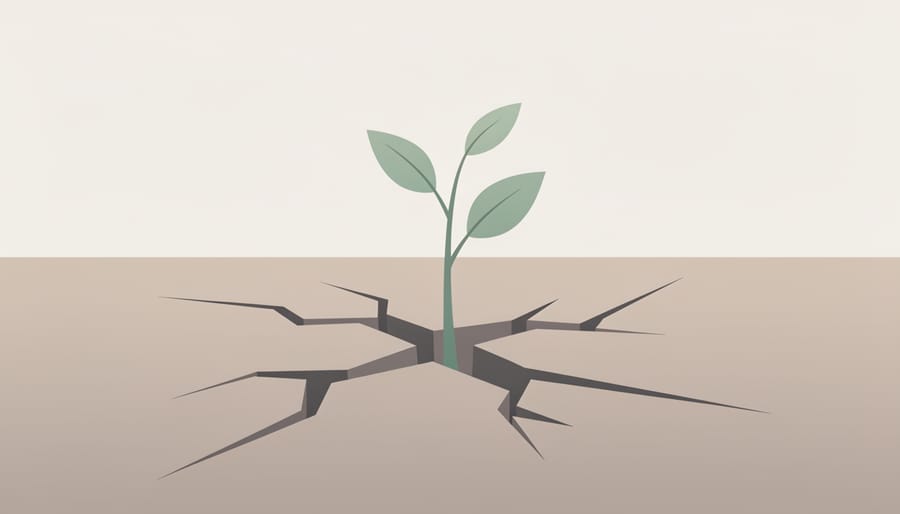
Personal spiritual maturity shows up in the small shifts that happen when you spend time with God and actually live out your faith. It’s about developing patience when you’d normally snap, choosing kindness in frustrating moments, or noticing when prayer becomes a conversation instead of a wishlist.
This kind of growth happens through consistent practices, reading Scripture with curiosity rather than obligation, praying honestly about your struggles, and reflecting on how your days align with what you believe. You might notice you’re quicker to forgive, slower to judge, or more aware of God’s presence in ordinary moments.
The fruit of the Spirit that Paul describes, love, joy, peace, patience, aren’t achievements you unlock. They emerge gradually as you stay connected to God through worship, study, and quiet reflection. Life experiences, especially challenging ones, often accelerate this growth. Losing a job, caring for someone sick, or navigating conflict can deepen your character and dependence on God in ways comfortable seasons never do.
Spiritual maturity isn’t perfection. It’s becoming more like Christ in how you think, respond, and treat others, a transformation that unfolds over years, not weeks.
Community and Relational Growth
Some of the richest growth happens not in private prayer but around a table with other believers. When you join a small group, volunteer alongside fellow church members, or sit in a pew next to someone whose life looks nothing like yours, you’re entering a crucible where faith gets refined through real relationship.
Relational growth means learning to love imperfect people, and letting them love imperfect you. It’s practicing forgiveness when a friend disappoints you, showing up for someone during their crisis, celebrating another’s success without envy. These aren’t abstract virtues; they’re muscles you build through actual friction and connection within the body of Christ.
Diverse communities accelerate this growth. When your congregation includes different ages, races, economic backgrounds, and theological traditions, you’re forced to listen more and assume less. You discover that God speaks through voices unlike your own. Partnering for growth across denominational and cultural lines stretches your understanding of the gospel and deepens your compassion.
This relational dimension isn’t optional. You can’t mature into Christ-likeness in isolation. Growth requires the accountability, encouragement, correction, and companionship that only genuine community provides.
Missional and Outreach Growth
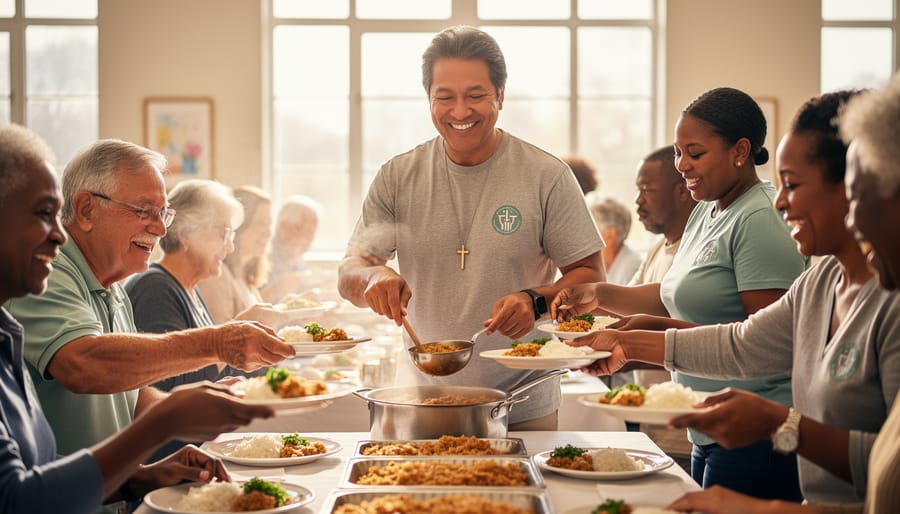
Missional growth happens when you step outside comfortable church routines and into the lives of those around you. This dimension focuses less on what you know and more on what you do with your faith, serving neighbors, addressing injustice, and inviting others into the story of Jesus through actions and words.
When you volunteer at a food bank, advocate for affordable housing, or serve together with people from other churches or faith traditions, your perspective shifts. You start seeing needs you’d overlooked, recognizing God’s work beyond your congregation’s walls, and discovering gifts you didn’t know you had. Outreach stretches your empathy, challenges assumptions, and deepens your dependence on God as you navigate unfamiliar territory.
This growth isn’t one-sided. While you’re blessing others, they’re blessing you. A single mom you help with groceries might teach you resilience. A refugee family you welcome might expand your understanding of hospitality. Social action programs don’t just change neighborhoods; they transform the people doing the work, building a faith that’s active, compassionate, and rooted in real human connection rather than abstract belief.
Where Christian Growth Happens in Daily Life
Christian growth doesn’t happen in a vacuum, it unfolds in the rhythms and relationships of everyday life. While Sunday worship provides a weekly anchor, the real transformation often occurs in less formal settings where faith meets action.
Small groups create space for honest conversation and mutual support. These gatherings, whether in living rooms, coffee shops, or online, allow people to process doubts, celebrate wins, and pray through struggles together. One Toronto church member described her small group as “the place where I learned to be real about my faith instead of performing it.”
Mission trips and service projects push believers beyond their comfort zones. Serving at a homeless shelter, building homes in underserved communities, or participating in disaster relief efforts reveals strengths you didn’t know you had and exposes blind spots you needed to see. A youth pastor shared how his teenagers returned from a week-long mission trip “asking deeper questions about justice and privilege than I’d heard in years of Sunday school.”
Inter-faith initiatives offer unexpected growth through dialogue and collaboration. Working alongside people of different traditions on shared concerns, food security, refugee support, environmental stewardship, broadens perspectives and deepens commitment. These partnerships challenge assumptions while revealing common ground, teaching Christians to hold their convictions with both confidence and humility.
Mentorship relationships provide personalized guidance. Whether through formal programs or organic connections, sitting with someone further along the path offers wisdom you can’t get from books. One college student credited her mentor with helping her “see how faith applies to career choices and relationships, not just church activities.”
Growth also happens in mundane moments, during morning commutes spent in prayer, difficult conversations with family members, ethical decisions at work, or choosing forgiveness after being hurt. A parent reflected on how bedtime prayers with her kids became “a spiritual practice that shaped me as much as them.”
The Toronto Conference model embraces this diversity of growth spaces, recognizing that transformation happens wherever people encounter God, serve others, and engage honestly with their faith journey.
Signs Your Faith Is Growing
Recognizing growth in your faith isn’t about checking off a spiritual to-do list. Instead, watch for shifts in how you respond to everyday moments. You might notice a quieter heart when facing stress, or find yourself genuinely curious about someone else’s story rather than rushing to judgment.
One clear marker is how you treat people who are different from you. Growing faith opens your heart to diverse perspectives and experiences. You become less interested in defending your position and more interested in understanding theirs. Conversations about race, culture, or belief that once felt uncomfortable start feeling like opportunities to learn.
Your prayer life offers another window. Maybe you’re praying more honestly now, bringing God your real doubts and frustrations instead of polished requests. Or perhaps you find yourself pausing throughout the day to notice God’s presence in ordinary moments, not just during crisis or Sunday morning.
Look at your hands, too. Growing Christians naturally gravitate toward service. You volunteer without needing applause, show up for community events you’d have skipped before, or find yourself advocating for people who can’t speak for themselves. This outward movement reflects inward transformation.
Finally, notice how you handle setbacks. Spiritual maturity doesn’t eliminate hardship, but it changes how you walk through it. You recover faster, lean on community more readily, and trust God’s presence even when you can’t see the path forward.
Common Questions About Growing in Faith
What if I feel stuck in my spiritual growth?
Feeling stuck is normal and often signals a transition point rather than failure. Try changing your routine, explore a new devotional practice, join a different small group, or engage in hands-on service where you can see tangible impact.
How long does Christian growth actually take?
Growth is lifelong and happens in seasons rather than on a fixed timeline. Some shifts occur quickly during intense experiences, while deeper character formation unfolds over years through consistent practices and relationships.
Can I grow spiritually outside traditional church settings?
Yes. Growth happens through workplace relationships, neighborhood connections, and everyday conversations when you remain open to God’s work. That said, intentional Christian community provides structure, accountability, and collective wisdom that accelerates development.
How do I grow spiritually in a diverse faith community?
Listen more than you speak, ask curious questions about others’ experiences, and look for shared values beneath different expressions of faith. Diversity stretches your perspective and deepens your understanding of God’s character in ways homogeneous groups cannot.
Does doubt mean I’m not growing?
Doubt often accompanies growth because you’re wrestling with bigger questions and outgrowing simplistic answers. Honest questions lead to stronger faith when processed within supportive relationships rather than suppressed.
What are practical next steps when I don’t know how to move forward?
Start small: commit to one spiritual practice for thirty days, reach out to someone whose faith you admire, or volunteer for a single service project. Next steps become clearer through action rather than endless planning.
Remember that growth rarely feels linear while you’re in it. You’ll have breakthrough moments followed by ordinary stretches where nothing seems to change. Keep showing up, stay connected to others on the journey, and trust that transformation happens even when you can’t measure it.
Christian growth isn’t a destination you reach and check off your list. It’s a journey that unfolds over a lifetime, sometimes through quiet moments of prayer and other times through challenging conversations with people who see faith differently than you do. The beautiful thing about this journey is that it happens best when we walk it together.
Your path toward spiritual maturity will look different from your neighbor’s, and that’s exactly how it should be. One person might find breakthrough in worship while another discovers God more clearly through serving at a food bank. Some grow through deep theological study while others mature through the simple act of showing up for their community week after week. There’s no single blueprint, and that diversity strengthens the body of Christ rather than weakening it.
If you’re wondering where to start, take one practical step this week. Join a small group where honest questions are welcome. Sign up for a community service project. Reach out to someone from a different Christian tradition or faith background and listen to their story. Growth happens when we move beyond our comfort zones while staying rooted in a supportive community.
Your faith community needs your unique gifts, and you need the encouragement, accountability, and perspective that others bring. Together, we reflect the fullness of God’s love to a world that desperately needs to see Christians united in purpose, compassionate in action, and generous in spirit. That’s the vision worth growing toward.