
Christian communities across the country are waking up to a new challenge: THCP disposable vapes and other high-potency cannabis products are showing up in youth groups, parking lots, and even congregational spaces. The answer isn’t panic or judgment. It’s informed, compassionate action rooted in education, open dialogue, and practical harm reduction strategies that meet people where they are.
THCp (tetrahydrocannabiphorol) is a cannabinoid significantly more potent than traditional THC, and its availability in sleek, discreet vaping devices has made it particularly appealing to younger users. Many don’t realize what they’re consuming or the health risks involved. For church leaders and parents, this creates an urgent need: you must understand what these products are, recognize the signs of use, and respond with grace rather than condemnation.
This guide equips your community with the knowledge to act. We’ll walk through what makes THCp different from other cannabis products, compare the types of vaping devices flooding the market, and offer concrete recommendations for creating awareness programs that actually work. You’ll learn which mistakes undermine trust and push struggling individuals away, and discover how congregations nationwide are building support systems that prioritize healing over shame.
Our faith calls us to protect the vulnerable and walk alongside those who struggle. That means rejecting ignorance and embracing the sometimes uncomfortable work of understanding modern substance challenges. Whether you’re a youth pastor noticing behavioral changes, a parent finding unfamiliar devices, or a community organizer ready to lead, this resource offers the clarity and direction your ministry needs right now.
Understanding What We’re Facing: THCp and Vaping Products
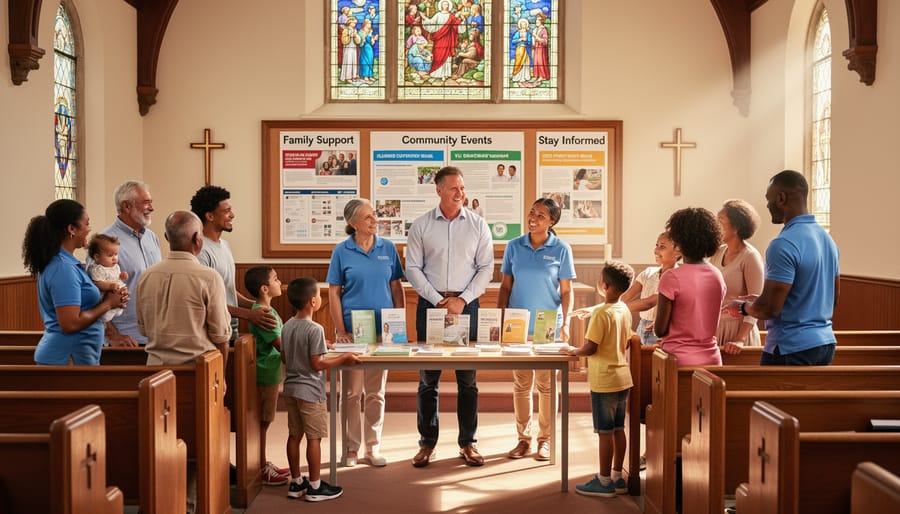
THCp, or tetrahydrocannabiphorol, is a cannabinoid that’s significantly more potent than the delta-9 THC found in traditional marijuana. While standard THC products have been around for decades, THCp is a newer discovery that binds more effectively to the body’s cannabinoid receptors, making it up to 30 times stronger in laboratory studies. This means even small amounts can produce intense psychoactive effects, particularly concerning when concentrated in vape cartridges and disposable pens that deliver rapid absorption through the lungs.
These vaping products have flooded communities across the country because they occupy a legal gray area. Many THCp products are synthesized from hemp-derived CBD, which became legal under the 2018 Farm Bill. Manufacturers exploit this loophole, marketing potent psychoactive products in gas stations, convenience stores, and online shops where regulations remain inconsistent. The colorful packaging often mimics candy brands or popular snacks, deliberately appealing to younger demographics while avoiding the scrutiny traditional marijuana dispensaries face.
For Christian communities, the accessibility creates unique challenges. Youth can purchase these products without the barriers that controlled substances typically require. Parents discover vape pens that look like USB drives or highlighters tucked in backpacks. The devices produce minimal odor and leave little evidence, making supervision difficult even in attentive households. Unlike alcohol or cigarettes, many teens don’t recognize THCp vaping as particularly dangerous, it’s marketed as “legal” and “natural,” giving a false sense of safety.
The rapid adoption stems from convenience and curiosity. Disposable vapes require no preparation, no learning curve, and no commitment. A young person can try one at a friend’s house and discard the evidence. This ease of experimentation, combined with peer influence and social media normalization, has made THCp vaping a growing concern that our communities can no longer ignore.
What to Look For: Key Factors in Product Awareness

Packaging and Labeling Red Flags
THCp vaping products often disguise their true nature behind colorful, enticing packaging that can slip past concerned adults. Community members should watch for bright candy-inspired designs, cartoon characters, and fruit-forward names like “Strawberry Blast” or “Mango Chill” on vape packaging, deliberate choices meant to appeal to younger users. Many products display minimal or confusing ingredient information, omitting the cannabinoid content entirely or burying “hemp-derived THCp” in small print that makes it seem innocuous.
Federal research has documented widespread inaccurate hemp labeling across the industry, meaning the product inside may not match what’s written on the package. Some manufacturers use health-related buzzwords like “wellness,” “natural,” or “botanical extract” to create a false impression of safety. Look for missing QR codes or lab testing certificates, which reputable vendors typically provide. Packaging that resembles popular candy brands or energy drinks is another red flag, these designs aren’t accidental.
Church leaders and parents should also be wary of products labeled as “legal hemp” or “federally compliant,” which can mislead community members into thinking they’re harmless. The absence of clear age warnings, batch numbers, or manufacturer contact information often signals unregulated products that pose greater risks. When you spot packaging that looks more like a toy or snack than a controlled substance, trust that instinct and use it as a conversation starter with young people in your care.
Potency and Health Considerations
THCp’s potency sets it apart from conventional cannabis products in ways that significantly affect health and safety. Research indicates THCp binds to cannabinoid receptors up to 30 times more effectively than standard THC, creating intense psychoactive effects even at very low concentrations. For young people or those with developing brains, this heightened potency introduces serious neurological risks.
Many vape cartridges contain THCp concentrations ranging from 5% to 95%, yet packaging rarely provides accurate labeling. Users expecting mild effects may experience overwhelming reactions including severe anxiety, impaired judgment, and in some cases, psychotic episodes. The immediate intensity catches inexperienced users off guard, leading to dangerous situations when they cannot function normally.
Medical professionals have documented concerning patterns with high-potency vaping products. Respiratory inflammation occurs more rapidly than with traditional smoking. The cardiovascular system experiences heightened stress, particularly problematic for individuals with underlying heart conditions who may not realize the risks. Frequent use at high concentrations also accelerates tolerance development, creating dependence patterns that become difficult to break.
For vulnerable community members, teens, those managing mental health conditions, pregnant women, or anyone in recovery, THCp’s extreme potency eliminates the margin for safe experimentation. What might seem like casual curiosity can quickly become a medical emergency. Understanding these concentration realities equips community leaders to communicate genuine risks without exaggeration, offering facts that resonate with those seeking honest guidance.
Legal and Regulatory Landscape
THCp exists in a legal gray zone that creates real risks for our communities. While the 2018 Farm Bill legalized hemp-derived cannabinoids, it didn’t specifically address THCp. Most states haven’t updated their laws to regulate this newer compound, leaving it technically legal but unmonitored in many areas. Some states have banned all synthetic cannabinoids, while others allow THCp sales with zero oversight. This patchwork means products banned in one county may be sold freely across the border. For church leaders, this confusion matters: youth can access these potent products without age verification at gas stations and online retailers. The lack of federal regulation means no testing standards, no quality control, and no accountability when contaminated products cause harm. Understanding this legal gap helps us advocate for better protections while educating families about risks that current laws fail to address.
Types of Vaping Products: What’s Circulating in Our Communities
Cartridge-Based Systems
Cartridge-based vaping systems consist of a rechargeable battery device paired with replaceable THCp cartridges that screw or snap into place. These systems appeal to users because they’re reusable, often less expensive over time, and allow switching between different cartridge flavors or potencies without buying an entirely new device.
The battery portion typically looks like a sleek pen or small cylindrical tube, sometimes disguised to resemble USB drives or everyday tech accessories. Cartridges themselves are small glass or plastic chambers containing THCp oil, usually with a visible heating element at the base. They come in countless flavor profiles marketed with names that sound innocent, candy-like, or fruit-forward.
Recognition factors include finding loose cartridges in backpacks or rooms, often labeled with strain names, potency percentages, or brand logos featuring cannabis leaf imagery. The batteries require charging via USB cables, so you might notice unfamiliar charging habits. Empty cartridges may be discarded in trash cans or hidden in drawers.
Unlike disposables, these systems create ongoing purchase patterns as users need replacement cartridges regularly. For community members concerned about a young person’s activities, discovering multiple empty cartridges or a charging battery without clear purpose warrants gentle, non-accusatory conversation.
Disposable Vape Pens
Disposable vape pens arrive as self-contained units requiring no assembly, charging, or refilling. You tear open the packaging, inhale, and discard the device once empty, typically after 200 to 800 puffs depending on the model. This simplicity makes them the most common format circulating among youth in our communities.
Their appeal lies in instant accessibility. No visible battery. No separate cartridge to explain. Many resemble highlighters or USB drives, slipping unnoticed into pockets and backpacks. Parents often mistake them for school supplies or tech accessories during quick room checks.
The tracking challenge intensifies because disposables leave minimal evidence. Once used, they’re thrown away, often in public trash bins far from home, eliminating the physical proof that cartridge systems leave behind. Manufacturers design flavors and colorful exteriors that attract younger users: “Blue Razz,” “Tropical Punch,” cartoon mascots on sleek metallic bodies.
From a community safety perspective, disposables present a particular concern. Their low individual cost ($15, $40) makes experimentation financially accessible to teens. The all-in-one design means no learning curve, no commitment to equipment. By the time families discover the issue, the evidence has often disappeared into a landfill.
Unregulated and Counterfeit Products
Unregulated THCp vapes pose the gravest threat to community members because they bypass all safety standards. Black-market cartridges and disposables often contain dangerous cutting agents like vitamin E acetate, heavy metals from substandard manufacturing, and inconsistent THCp concentrations that can cause severe reactions.
Spot suspicious products by examining packaging closely. Counterfeit vapes typically feature misspellings, blurry logos, or missing batch numbers and testing information. Legitimate products include QR codes linking to lab results; if scanning yields nothing or redirects to unrelated sites, the product is likely fake. Extremely low prices signal counterfeits, authentic testing and compliance aren’t cheap.
The packaging seals matter too. Tampered or poorly sealed products suggest refilling with unknown substances. Many counterfeit operations reuse branded packaging, filling it with untested compounds.
For youth ministers and parents, understanding these markers helps in recognizing what teens might encounter. When you find suspicious products, document them and share information with local health departments. Some counterfeits have caused hospitalizations in other communities. Our role isn’t policing but protecting through awareness, ensuring families know the difference between regulated risks and genuinely dangerous counterfeits flooding unmonitored markets.
How Faith Communities Can Respond: Practical Recommendations

Creating Educational Programs
Start by meeting people where they are. A middle schooler needs different information than a high school senior or a young parent. In youth groups, use real scenarios without scare tactics, ask what they’ve seen, heard, or been offered. Let them lead the discussion while you guide it toward honest talk about THCp’s risks and the pressure to fit in.
Sunday school sessions work best when they’re interactive rather than lecture-based. Try structured conversations that give families language to discuss vaping at home. Share handouts parents can actually use, not just statistics they’ll forget.
For family ministries, community workshops bring generations together. Invite a local health professional to answer questions in a judgment-free setting. Build a team of volunteers who can sustain the effort, one Sunday lesson won’t cut it. Schedule quarterly check-ins, update resources as products evolve, and keep the door open for anyone who needs help. The goal isn’t perfection; it’s creating space where questions are welcomed and grace is constant.
Building Support Networks
When families discover a loved one is using THCp products, isolation often compounds the crisis. Your church can break that pattern by creating intentional support structures where vulnerability isn’t just tolerated, it’s welcomed.
Start with small, consistent gatherings specifically for parents and guardians navigating substance concerns. These aren’t Bible studies with an agenda tacked on; they’re authentic sharing circles where a single mom can admit she found a vape pen in her son’s backpack without fear of judgment. Facilitate rather than lecture. One Tennessee congregation meets monthly in a member’s living room, rotating hosts to emphasize that this struggle belongs to the whole body, not just troubled families.
Connect families with professional addiction resources early. Partner with local counseling centers, recovery programs, and medical providers who understand both substance use and faith perspectives. Create a printed directory, not buried on a website, listing hotlines, therapists accepting sliding-scale fees, and support groups within driving distance.
Reach across denominational lines. THCp vaping doesn’t discriminate by theology. When multiple congregations pool knowledge and resources, you multiply impact while reducing the stigma that keeps families suffering in silence.
Partnering with Health Professionals
Building partnerships with healthcare professionals strengthens your community’s response beyond what faith leaders alone can provide. Start by reaching out to local pediatricians, addiction counselors, and public health departments, many welcome the chance to educate faith communities about substance awareness. These faith partnerships create a bridge between medical expertise and pastoral care, ensuring families receive both accurate health information and spiritual support.
Invite healthcare professionals to speak at parent forums or youth group sessions, where they can answer questions about THCp’s effects, warning signs of vaping dependence, and available treatment options. Request printed materials from local health departments that you can distribute at church events. Consider hosting joint workshops with nearby mental health clinics or addiction recovery centers, combining clinical knowledge with your community’s compassionate approach. These collaborations demonstrate that addressing vaping concerns doesn’t require choosing between faith and science, both perspectives enrich your ability to protect and guide those who need help.
Engaging Youth in Peer Leadership
Young people often respond better to messages from their peers than from adults, making youth-led initiatives uniquely effective. Train student volunteers to facilitate small-group discussions about vaping risks, equipping them with facts but allowing space for genuine questions and stories. Consider forming a youth advisory council that helps shape how your church addresses substance awareness, teens know the language, pressures, and social dynamics far better than most adults assume. These peer leaders can create content for social media, design skits for youth events or simply be approachable figures who check in with younger members. When young people feel ownership of the message rather than being lectured at, they become ambassadors who carry awareness naturally into hallways, group chats, and friendship circles where adults rarely reach.
Common Mistakes to Avoid in Community Education
Many Christian communities enter substance awareness education with genuine care but stumble into approaches that alienate the very people they want to help. The most damaging mistake is leading with fear-based messaging that paints vaping as a moral failure rather than a health concern. When we frame THCp use primarily through shame and judgment, young people shut down instead of opening up, and families struggling with these issues retreat from the community rather than seeking support.
Another common pitfall is treating this as a one-size-fits-all issue without recognizing the diverse cultural contexts within your congregation. What resonates with one demographic may completely miss or even offend another. Youth from different backgrounds face different pressures around substance use, and awareness programs that ignore these nuances often fail to connect. Partnering across cultural lines and inviting voices from various community segments to shape your approach prevents this narrow framing.
Several critical missteps undermine even well-intentioned education efforts:
- Relying solely on scare tactics without providing factual health information or addressing the underlying reasons people vape
- Failing to distinguish between different substances and potencies, treating all vaping as equally dangerous
- Creating programs that talk at young people rather than with them, ignoring their lived experiences
- Neglecting harm reduction principles in favor of abstinence-only messaging that leaves struggling individuals without practical support
- Positioning church leadership as the sole authorities instead of partnering with medical professionals and those with recovery experience
Perhaps the most counterproductive mistake is separating advocacy and action from pastoral care. Communities that focus exclusively on policy or education without building genuine relationships miss the heart of effective support. People need both accurate information and a safe place to struggle, question, and heal without fear of rejection.
Finally, many churches launch awareness initiatives without establishing clear pathways for help. Raising awareness about THCp vaping risks means nothing if families have nowhere to turn when they need intervention resources. Before you educate, ensure your community has identified local counselors, addiction services, and support groups you can confidently recommend. Education without accessible next steps leaves people informed but stranded.
Frequently Asked Questions
What’s the difference between THCp vapes and CBD products I see at stores?
THCp is a psychoactive cannabinoid significantly more potent than traditional THC, producing intoxicating effects, while CBD is non-intoxicating and often used for wellness purposes. The confusion stems from similar packaging and marketing, but THCp products create altered mental states that CBD does not.
How do I start a conversation about vaping with my teenager without pushing them away?
Lead with curiosity rather than accusation by asking what they’re hearing at school about vaping, then share your genuine concerns about health and safety. Frame it as a conversation about making informed choices together, not a lecture about rules, and be prepared to listen more than you speak.
Is it illegal for young people to possess THCp vape products?
The legal landscape varies dramatically by state and continues to shift in 2026, with some jurisdictions banning THCp entirely while others regulate it like hemp products. Regardless of local laws, underage possession of any intoxicating substance typically carries consequences, and many THCp products exist in legal gray areas that offer no consumer protections.
What are the warning signs that a young person in our community might be vaping?
Common indicators include sweet or fruity odors on clothing, increased thirst and nosebleeds, finding unfamiliar USB-like devices or cartridges, behavioral changes like irritability or secrecy, and unexplained expenses. Physical signs can include coughing, shortness of breath, and decreased participation in activities they once enjoyed.
These questions reflect real concerns we hear from congregations across the country, and honest answers help demystify a topic that feels overwhelming to many parents and leaders. Remember that asking questions shows strength, not weakness. Your willingness to learn and engage demonstrates the kind of informed compassion that makes faith communities genuine sources of support.
When seeking local help, start with your church’s existing counseling or family ministry contacts, who can often connect you with addiction specialists experienced in youth substance issues. Many communities have faith-based recovery networks that understand the intersection of spirituality and healing. School counselors, pediatricians, and county health departments also maintain lists of age-appropriate resources. Don’t hesitate to reach out to neighboring churches or inter-faith coalitions, as collaborative networks often provide the most comprehensive support systems for families navigating these challenges together.
What to Look For

When addressing vaping product awareness in your faith community, focus on three critical factors that will shape your response and protection efforts.
Educational depth matters most. You’ll need resources that explain THCp’s effects in language parents and youth leaders can understand, not medical jargon that creates barriers. Look for materials that connect substance awareness to broader conversations about well-being, peer pressure, and making choices aligned with personal values.
Community readiness comes next. Assess whether your congregation is prepared for open dialogue without shame or judgment. The most effective awareness efforts happen when people feel safe sharing concerns. You’re not looking for perfection; you’re building an environment where families can ask questions and find support before crises develop.
Access to local resources is essential. Identify counselors, addiction specialists, and health professionals who understand faith communities and can provide culturally sensitive guidance. The best awareness programs don’t stand alone, they connect people to practical help. Know what’s available in your area before you need it, because when families reach out for support, immediate response matters more than perfectly planned programs.
Main Options Compared
When Christian communities encounter vaping products, understanding the three main categories helps inform protective strategies. Regulated retail products sold through licensed dispensaries undergo lab testing and provide clear potency information, though they’re still age-restricted and concerning for youth access. These typically cost $30-60 per cartridge or disposable and include some accountability through tracking systems.
Gas station and convenience store options occupy a murky middle ground, legally sold in many areas but with inconsistent quality standards. Priced around $15-40, these products appeal to young people through accessibility and colorful packaging that mimics candy or energy drinks. Lab verification varies wildly.
Unregulated black market products present the gravest danger. With no quality control, they may contain harmful cutting agents, pesticides, or incorrect THCp concentrations. While cheapest ($10-25), they’re frequently implicated in severe lung injuries and poisoning cases.
For community awareness purposes, focus educational efforts on recognizing packaging tactics across all categories rather than distinguishing “safer” options, the goal isn’t guided purchasing but informed prevention and compassionate intervention when young people need support.
Awareness is never about instilling fear, it’s about equipping ourselves to respond with love and wisdom when our communities need us most. Understanding THCp vaping products and their presence in our neighborhoods gives us the tools to have honest conversations, create supportive environments, and guide those who are struggling toward resources that can help.
This knowledge transforms us from bystanders into active participants in our community’s wellbeing. When a parent notices unfamiliar devices in their teen’s room, when a youth leader spots warning signs, or when a congregation member seeks guidance, being informed means we can respond with both truth and compassion rather than panic or judgment.
Every challenge our faith communities face carries within it an opportunity for deeper connection. The families dealing with vaping concerns today are not problems to solve but people to walk alongside. Their stories of struggle can become testimonies of healing when met with understanding and practical support.
Share what you’ve learned here with other church leaders, parents, and community members. Stay curious and keep learning as the landscape evolves. Most importantly, remember that our greatest strength lies not in having all the answers, but in showing up with grace, offering hope, and reminding one another that no one walks this path alone. Together, we build communities where awareness leads to action, and action leads to transformation.